Politics
Trump Promises Harsh Penalties for Fraudsters Targeting Americans
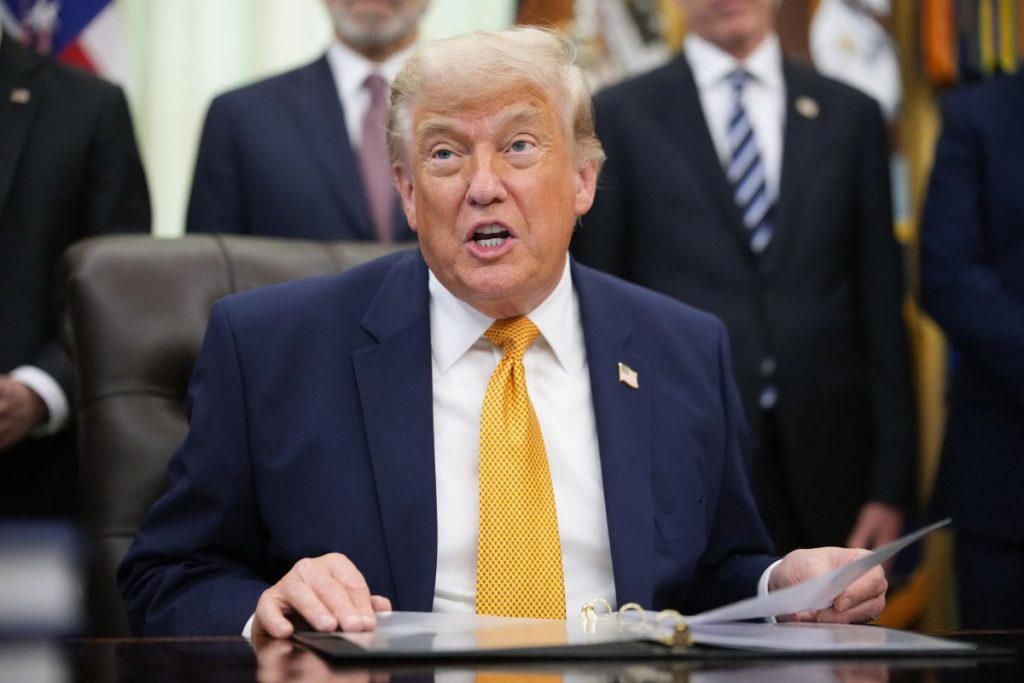
Former President Donald Trump has made a bold statement regarding fraud against American citizens, asserting that individuals who commit such crimes will face significant prison time. In a recent address, Trump outlined a proposal that eliminates probation as a sentencing option for fraudsters, emphasizing the seriousness of the offense.
Trump's remarks come amid ongoing discussions about the need for stricter laws to combat fraud, particularly in light of increasing reports of scams targeting vulnerable populations. He stated, "If you steal from the American people, you will go to prison, and for a long period of time," highlighting his administration's commitment to protecting citizens from financial crimes.
The former president's proposal is part of a broader initiative aimed at reforming the justice system to ensure that those who exploit others for financial gain are held accountable. By advocating for longer prison sentences, Trump aims to deter potential offenders and reassure the public that their interests are being safeguarded.
Critics of Trump's approach argue that while tough penalties may serve as a deterrent, they could also lead to overcrowding in prisons and may not address the root causes of fraud. Advocates for reform suggest that a more comprehensive strategy, including education and prevention programs, could be more effective in reducing fraud rates.
As discussions around this proposal continue, it remains to be seen how lawmakers will respond and whether any legislative changes will be implemented. The issue of fraud has gained significant attention in recent years, with various groups advocating for stronger protections for consumers.
Trump's stance on fraud reflects a growing sentiment among many Americans who feel that the justice system has not adequately addressed financial crimes. As the political landscape evolves, this issue is likely to remain a focal point in upcoming debates and campaigns.
Sources: Vanguard.