Politics
Shettima: Tinubu's Reforms Prevented Nigeria's Economic Collapse
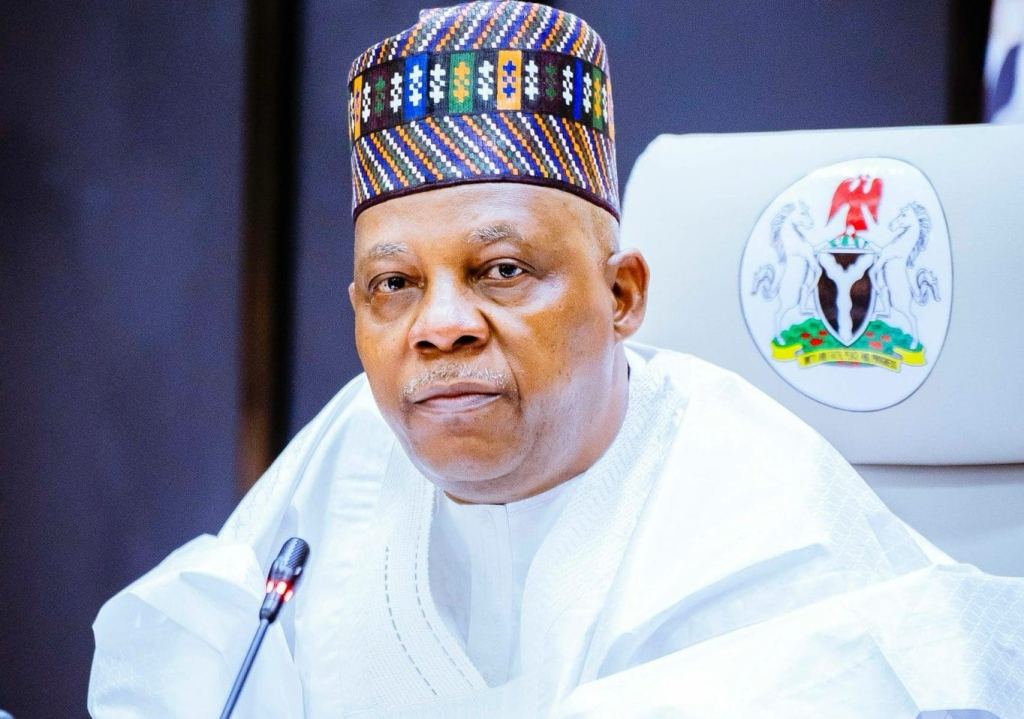
Vice President Kashim Shettima has publicly defended President Bola Tinubu's recent economic reforms, asserting that these measures were crucial in averting a potential collapse of Nigeria's economy. Speaking at an event, Shettima emphasized that the nation was 'teetering on the verge of collapse' prior to the implementation of significant changes, including the withdrawal of fuel subsidies and the unification of foreign exchange rates.
Shettima's remarks come amid ongoing debates regarding the impact of Tinubu's policies on the Nigerian populace. The removal of fuel subsidies has been a contentious issue, leading to increased fuel prices and subsequent inflation. Critics argue that these changes have disproportionately affected the most vulnerable segments of society, while proponents, including Shettima, maintain that they are necessary for long-term economic stability.
The Vice President highlighted that the reforms are part of a broader strategy aimed at revitalizing Nigeria's economy, which has faced numerous challenges over the years, including fluctuating oil prices and rising debt levels. By unifying exchange rates, the government aims to create a more stable and predictable economic environment that could attract foreign investment and stimulate growth.
Economic analysts have expressed mixed views on the effectiveness of the reforms thus far. Some argue that while the measures may stabilize the economy in the long run, the immediate effects have led to hardship for many Nigerians. Inflation rates have surged, and the cost of living has increased, prompting concerns about the social implications of such rapid changes.
As the administration continues to navigate these economic challenges, it remains to be seen how the public will respond to the ongoing reforms. Shettima's defense of Tinubu's policies suggests a commitment to seeing these measures through, despite the potential backlash from citizens who are feeling the strain of the economic adjustments.
Looking ahead, the government is expected to implement additional measures aimed at cushioning the impact of these reforms on the populace. This could include targeted support for low-income families and initiatives to boost local production, thereby reducing dependency on imports. The success of these strategies will be crucial in determining public perception of the Tinubu administration's handling of the economy.
Sources: Vanguard.