Politics
Protests Erupt in DRC Over Proposed Third Term for President Tshisekedi
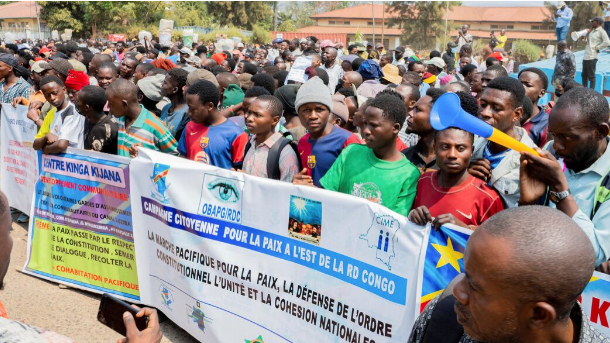
Protests have erupted across the Democratic Republic of Congo (DRC), particularly in the capital city of Kinshasa, in response to a proposed constitutional amendment that would allow President Felix Tshisekedi to pursue a third term in office. The demonstrations began on Tuesday and quickly spread to several major cities, indicating widespread discontent among the populace regarding the president's intentions.
Reports indicate that police responded with force to disperse the crowds, leading to numerous arrests. Eyewitnesses described scenes of chaos as officers used tear gas and batons to control the situation. The protests reflect a growing frustration among citizens who fear that the amendment could undermine democratic processes and lead to extended authoritarian rule.
The proposed amendment has sparked intense debate within the DRC, a country that has experienced significant political turmoil in recent years. Tshisekedi, who has been in power since January 2019, was initially elected under a promise of reform and democratic governance. However, critics argue that his administration has failed to deliver on these promises, leading to increasing calls for accountability and transparency.
Historically, the DRC has struggled with issues related to governance and electoral integrity. The country has seen numerous political upheavals, including the ousting of long-time leader Joseph Kabila, which has left a legacy of skepticism among the populace regarding political leaders' intentions. The current protests are a manifestation of this historical context, as citizens demand a return to democratic principles and practices.
In light of these protests, political analysts suggest that the government may face mounting pressure to reconsider the proposed amendment. The situation remains fluid, with potential for further unrest as opposition groups mobilize and call for more significant action against what they perceive as an attempt to consolidate power. Observers are closely monitoring the government's response and the possibility of escalating tensions in the coming days.
As the situation develops, it is important to note that the DRC's political landscape is heavily influenced by various factions and interest groups, each with their own agendas. This complexity adds to the challenge of achieving a consensus on governance and electoral reforms. The outcome of the current protests may have lasting implications for the future of democracy in the DRC.
The international community is also watching the events unfold, as foreign governments and organizations have previously expressed concerns about human rights and democratic governance in the DRC. Any violent escalation could prompt calls for intervention or sanctions, further complicating the political climate in the country.
In conclusion, the protests against President Tshisekedi's third-term proposal highlight the ongoing struggle for democratic governance in the DRC. As citizens continue to voice their opposition, the government's response will be crucial in determining the future political trajectory of the nation.
Sources: Vanguard.