Politics
Opinion: Weighing Hope Uzodinma's Record as Imo Heads Toward 2027
Six years after a Supreme Court ruling installed him as governor, Imo's roads and finances tell two different stories.
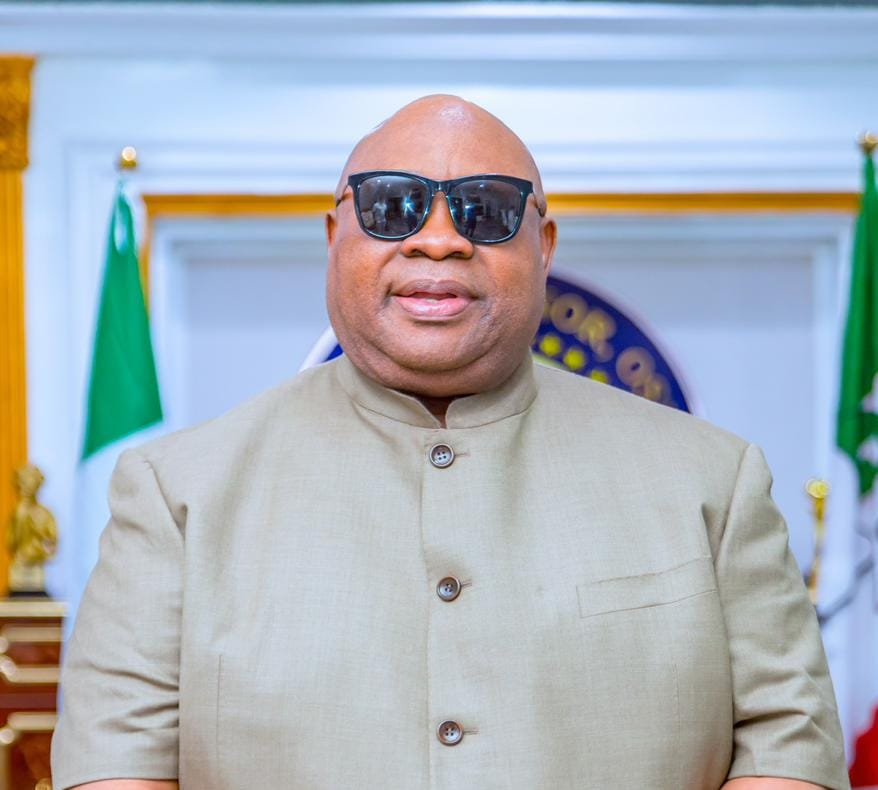
Governor Hope Uzodimma marks six years in office this year carrying a piece of political baggage no amount of ribbon-cutting can fully erase: he did not win the 2019 election he governs on the strength of. He placed fourth, with 96,458 votes, before the Supreme Court's January 2020 ruling — which found that results from 388 polling units had been wrongly excluded from his tally — handed him the seat over PDP's Emeka Ihedioha. That origin story still shapes how a significant share of Imo people view the legitimacy of his mandate, whatever the courts decided.
To his credit, Uzodinma's supporters point to a real infrastructure push: reconstruction of the Owerri-Orlu and Owerri-Okigwe roads, urban renewal works in Owerri with new streetlights and drainage, and e-governance reforms including automated payroll systems aimed at eliminating the "ghost workers" that have long drained Nigerian state payrolls. He has also picked up national and international recognition along the way, including a 2022 UN honour for promoting inter-ethnic harmony and the national honour of Commander of the Order of the Niger in 2023.
But the achievements sit unevenly across the state. Much of the visible progress has concentrated in Owerri and its surrounding urban core, while many of Imo's 27 local government areas still wait on the tarred roads and basic infrastructure that would let rural communities feel the same "renewal." Insecurity has also proven stubborn: despite the state's "Operation Search and Flush," attacks on police formations and kidnappings linked to separatist-affiliated gangs have continued to disrupt life and commerce in parts of the state.
None of this happens in a vacuum. Declining federal allocations and volatile oil revenues have squeezed every Nigerian state's budget in recent years, and Imo is no exception — a real constraint on how much any governor could have built, whatever his intentions.
As Imo heads toward the 2027 governorship race, the honest verdict on Uzodimma's tenure is probably not the full-throated praise his allies offer nor the wholesale dismissal his critics prefer, but something more uncomfortable for both sides: a governor who found money for the roads voters see every day in the capital, while leaving the deeper work of rural development and lasting security largely unfinished. Imo voters weighing his legacy — and his party's chances of extending it — will have to hold both truths at once.
This is a StandardPosts opinion piece and reflects the analysis of the author, not a straight news report. Sources: Wikipedia, ModernGhana, Guardian Nigeria.