Business
Minister Identifies Power Constraints as Major Barrier to Nigeria's Industrial Growth
Senator John Enoh emphasizes the need for improved electricity supply to boost economic prosperity.
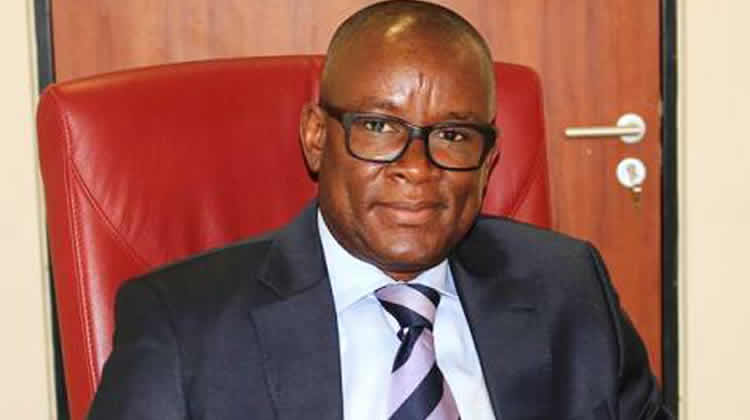
Senator John Enoh, the Minister of State for Industries, has pointed to electricity and power supply issues as the primary obstacles hindering Nigeria's industrial growth. Speaking during an interview on Arise TV, Enoh expressed concerns that industries across the nation are incurring additional costs to generate their own power, which significantly impacts their operational efficiency and overall profitability.
Enoh's remarks come at a time when Nigeria is grappling with economic challenges, despite a reported real Gross Domestic Product (GDP) growth of 4.43 percent. He stressed that without a reliable and affordable power supply, the potential for translating this economic growth into tangible prosperity for the populace remains limited. This situation has led many businesses to seek alternative energy sources, which can be both costly and unsustainable in the long run.
The issue of power supply in Nigeria has been a longstanding concern, with many industries relying on generators due to frequent outages and inadequate infrastructure. This reliance on self-generated electricity not only increases operational costs but also places a strain on the environment, as fossil fuel consumption rises. Enoh's comments underscore the urgent need for reforms in the power sector to enhance the reliability of electricity supply.
In recent years, the Nigerian government has initiated various reforms aimed at improving the power sector, including privatization efforts and investments in renewable energy. However, challenges such as regulatory bottlenecks, inadequate infrastructure, and corruption have hindered progress. Enoh's insights highlight the necessity for continued efforts to address these challenges and create a more conducive environment for industrial growth.
The minister's statements also resonate with the concerns of business leaders and investors who have long advocated for improved power supply as a critical factor for attracting foreign investment. As Nigeria aims to diversify its economy and reduce its dependence on oil, enhancing the industrial sector through reliable electricity is essential for sustainable economic development.
Looking ahead, stakeholders in Nigeria's industrial sector will be closely monitoring government actions and policies aimed at resolving power supply issues. The effectiveness of these measures will be crucial in determining the future trajectory of industrial growth and economic prosperity in the country.
Sources: Vanguard.