Politics
Lawal Daura Critiques Buhari's Administration, Cites Betrayal by Close Aides
Former DSS Chief Attributes Failures to Sycophants Surrounding the Late President
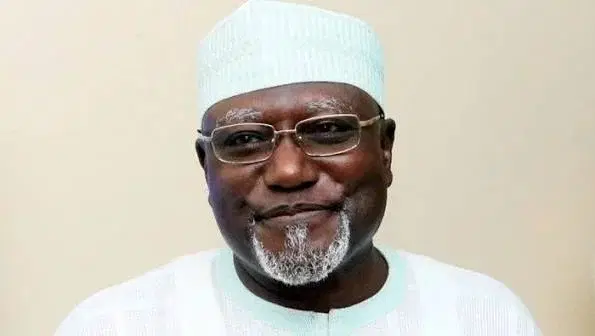
In a recent statement, Lawal Daura, the former Director-General of the Department of State Services (DSS), expressed his views on the administration of the late former President Muhammadu Buhari. Daura, who is currently the vice-presidential candidate for the Allied Peoples Movement (APM), criticized those who served alongside Buhari, labeling them as sycophants who ultimately undermined the government's effectiveness.
Daura's comments highlight a growing sentiment among some political figures who believe that the failures of Buhari's tenure were not solely due to policy decisions but were also influenced by the actions and loyalties of his inner circle. He stated that these individuals betrayed the trust placed in them by the former president, suggesting that their self-serving motivations led to significant shortcomings within the administration.
The former DSS chief's remarks come at a time when Nigeria is grappling with the legacy of Buhari's presidency, which lasted from 2015 until his death in 2023. Critics have pointed to various issues, including economic challenges, security concerns, and governance failures, as indicators of a troubled administration. Daura's perspective adds a personal layer to this critique, as he was once a key figure in the nation's security apparatus.
Daura's assertion raises questions about accountability within political leadership, particularly regarding the influence of advisors and aides. His comments suggest a need for a reevaluation of how loyalty and counsel are managed in government, especially in high-stakes environments where decisions can have far-reaching consequences.
As Nigeria prepares for upcoming elections, Daura's criticisms may resonate with voters who are seeking transparency and integrity from their leaders. The political landscape is dynamic, and the implications of his statements could influence public perception of the APM as it positions itself in the electoral arena.
Furthermore, Daura's remarks could spark discussions within political circles about the importance of surrounding leaders with competent and trustworthy advisors. His call for introspection may encourage a broader conversation about the qualities necessary for effective governance in Nigeria.
In the context of Nigeria's political history, the relationship between leaders and their aides has often been scrutinized, with many past administrations facing similar accusations of betrayal and incompetence. Daura's insights may serve as a reminder of the critical role that personal relationships play in political success and failure.
As the APM moves forward with its campaign, it will be essential to monitor how Daura's comments are received by the public and if they will impact the party's strategy in addressing the legacy of the Buhari administration.
Sources: Vanguard.