Sports
German FA Vice-President Calls for FIFA President Infantino's Resignation
Hans-Joachim Watzke cites specific concerns regarding Infantino's leadership.
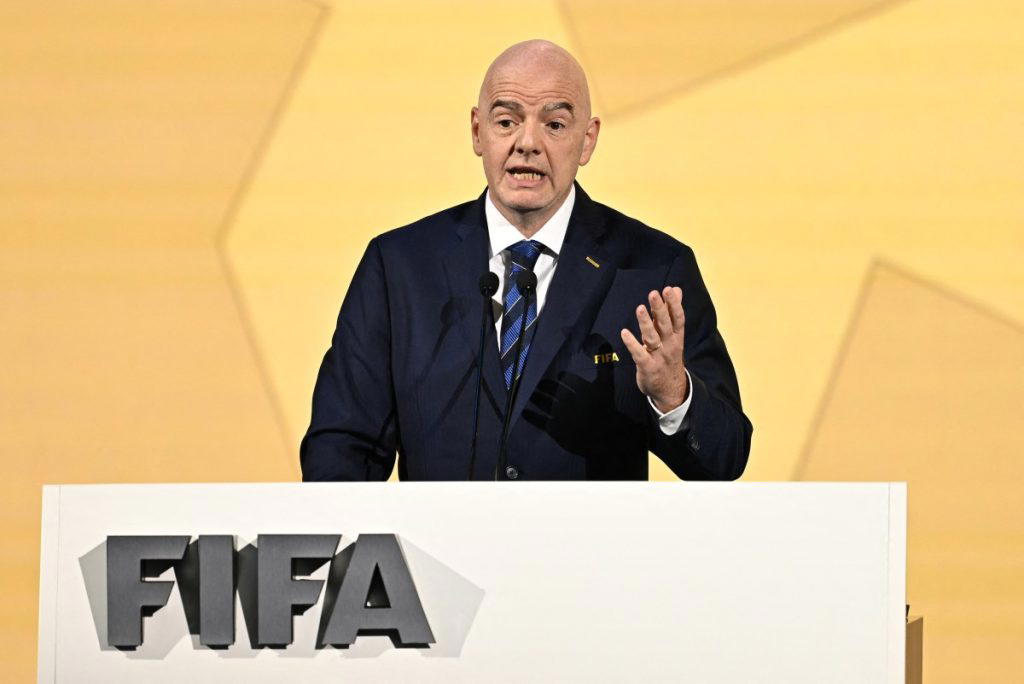
Hans-Joachim Watzke, the vice-president of the German Football Association (DFB), has publicly demanded the resignation of FIFA president Gianni Infantino. Watzke's remarks come amidst growing dissatisfaction with Infantino's leadership, which he believes has negatively impacted the organization. 'He has to go, no ifs or buts,' Watzke stated emphatically, underscoring the urgency of the situation.
Watzke pointed out three critical issues that he believes warrant Infantino's departure from the helm of FIFA. Although he did not elaborate on these points during his statement, they are expected to reflect broader concerns within the football community regarding governance and transparency in the sport. This call for resignation highlights a significant rift within football's governing bodies, particularly as FIFA prepares for upcoming international tournaments.
The German FA has historically been a prominent voice in international football, often advocating for reforms aimed at improving the sport's integrity and governance. Watzke's comments may resonate with other national football associations that share similar concerns about FIFA's direction under Infantino's leadership. The ongoing debate around FIFA's management practices has been a recurring theme, especially in light of controversies surrounding previous World Cups and the organization’s handling of various issues.
Infantino, who has been in office since 2016, has faced criticism for his approach to various matters, including the expansion of the World Cup and the handling of player welfare issues. His tenure has been marked by significant changes within FIFA, some of which have been met with resistance from member associations. Watzke's call for his resignation could signal a growing movement among football leaders who seek to hold Infantino accountable for his decisions.
The implications of this call for resignation could be far-reaching, potentially influencing upcoming FIFA elections and the overall governance of international football. As the football world watches closely, the reactions from other national football associations will be crucial in determining whether Watzke's sentiments gain traction. Should a significant number of associations align with the German FA's stance, it could lead to increased pressure on Infantino to step down.
This situation also reflects a broader trend in sports governance, where leaders are increasingly held accountable for their actions and decisions. The dynamics within FIFA are particularly critical as the organization navigates challenges related to transparency, ethics, and the future of the sport. The outcome of this situation may set a precedent for how leadership is approached in international sports organizations moving forward.
As the football community continues to engage in discussions about the future of FIFA, Watzke's statements serve as a reminder of the ongoing challenges facing the organization. The next steps will likely involve discussions among member associations and potential calls for reform, as stakeholders seek to ensure that football governance aligns with the best interests of the sport and its players.
In conclusion, the call for Gianni Infantino's resignation by Hans-Joachim Watzke is a significant development in the world of football governance. As the situation unfolds, it will be essential to monitor the responses from FIFA and other national football associations, which may shape the future of the organization and its leadership.
Sources: Vanguard Sports, Vanguard.