Business
Federal Government Secures N729 Billion Bond to Address Power Sector Debts
The agreement aims to alleviate financial burdens on electricity generation companies and enhance liquidity in the sector.
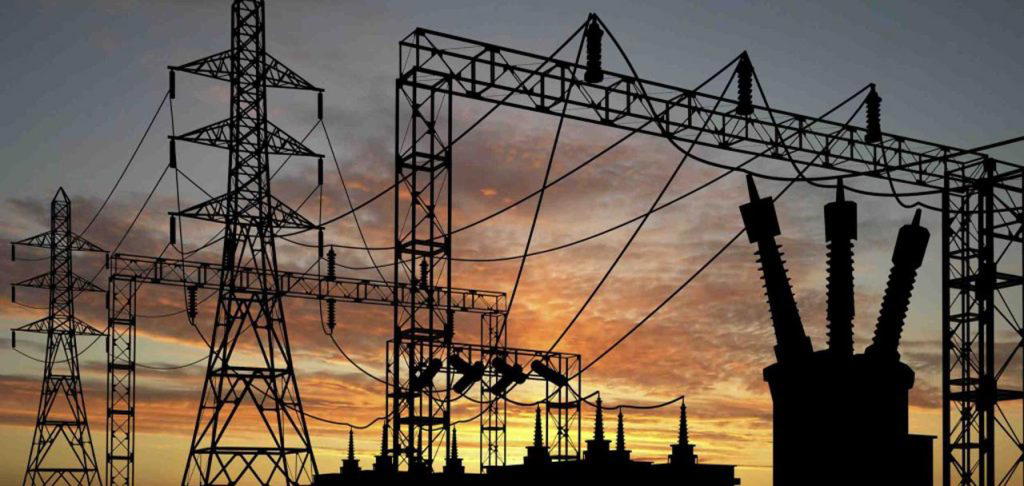
The Federal Government of Nigeria has officially signed a bond agreement worth N728.979 billion as part of its ongoing efforts to reduce outstanding debts in the power sector. This initiative falls under the broader N4 trillion Power Sector Debt Reduction Programme, which aims to address long-standing financial obligations to electricity generation companies (GenCos) and improve the overall liquidity of the sector.
The newly signed Series-2 bond is expected to provide significant relief to the GenCos, which have faced financial strain due to delayed payments and accumulated debts. By settling these verified legacy debts, the government aims to stabilize the power supply and enhance operational efficiency within the sector, which has been plagued by challenges for years.
The bond transaction includes N402 billion in cash bonds that were raised from various investors, reflecting confidence in the government's commitment to rectifying the financial issues within the power sector. This move is seen as a critical step towards restoring trust among investors and stakeholders in Nigeria's energy landscape.
The power sector in Nigeria has been characterized by inefficiencies and financial mismanagement, leading to frequent power outages and a lack of reliable electricity supply. The government's proactive approach to addressing these challenges through the bond agreement is viewed as a necessary intervention to foster growth and reliability in the sector.
This bond signing is part of a series of measures the Federal Government has undertaken to revitalize the power sector, which is vital for economic growth and development. The successful implementation of the Power Sector Debt Reduction Programme is expected to create a more conducive environment for investment and innovation in the energy sector.
As the government moves forward with this initiative, it will be crucial to monitor the impact of the bond agreement on the operations of GenCos and the overall electricity supply in Nigeria. Stakeholders are hopeful that this financial injection will lead to improved service delivery and a more sustainable power infrastructure.
In light of this development, the government may also explore additional strategies to ensure the long-term viability of the power sector, including reforms in regulatory frameworks and investment in renewable energy sources. The success of these efforts will be instrumental in shaping the future of Nigeria's energy landscape.
Overall, the signing of the N729 billion bond agreement marks a significant milestone in the government's quest to resolve the financial crises in the power sector, with potential positive implications for both consumers and the economy at large.
Sources: Vanguard.